
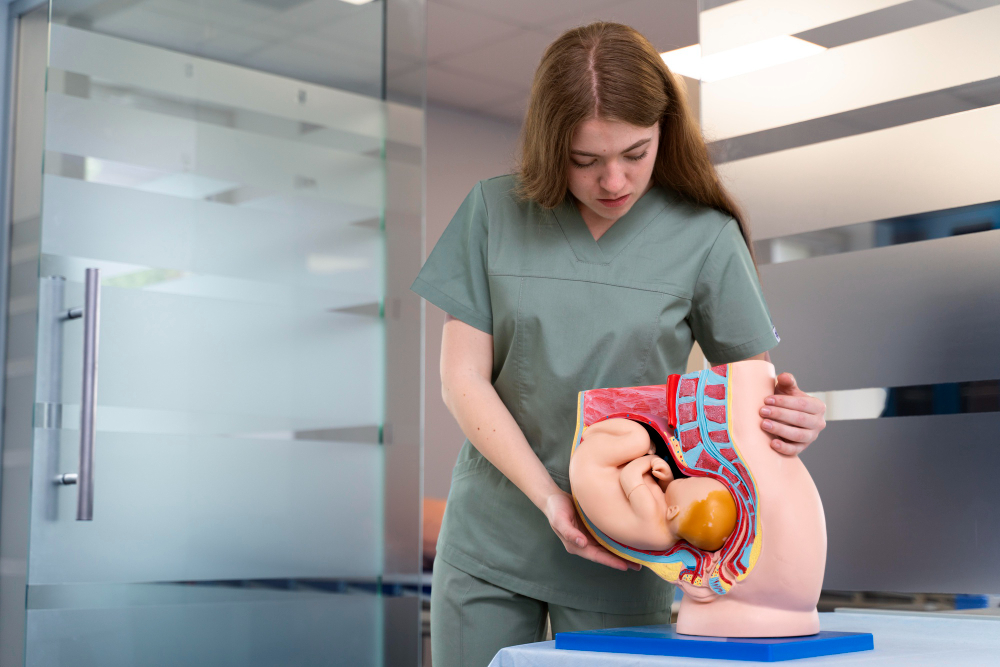
What is Placenta Previa?
Placenta previa is a condition during pregnancy where the placenta covers part or all of the cervix. The placenta is an organ that gives the baby food and oxygen. Usually, it sits high in the uterus. However, in placenta previa, it is lower and blocks the birth canal. Because of this, it can cause problems during delivery. Early diagnosis and care are important for a healthy pregnancy.
Symptoms of Placenta Previa
Placenta previa symptoms can be mild or severe. Most often, the main sign is painless vaginal bleeding. This bleeding usually happens in the second or third trimester. However, not everyone has symptoms. Watch for these signs:
If you notice any of these symptoms, contact your doctor right away. Early care can help prevent serious problems.
Causes and Risk Factors
Doctors do not always know why placenta previa happens. Still, some factors can raise the risk. For example, women who have had surgery on their uterus may be more likely to get it. Other risk factors include:
Knowing these risks can help you and your doctor watch for signs early.
How Placenta Previa is Diagnosed
Placenta previa is usually found during a routine ultrasound. Sometimes, it is first noticed when a woman has bleeding. If placenta previa is suspected, doctors may use:
Because ultrasounds are safe, they are the best way to check the placenta’s position. Sometimes, more than one scan is needed as the pregnancy grows.
How Placenta Previa Affects Delivery
Placenta previa delivery risks are higher than in normal pregnancies. Because the placenta blocks the cervix, a vaginal birth is often not safe. Instead, most women with placenta previa need a C-section. This helps prevent heavy bleeding during labor. In some cases, if the placenta moves up as the uterus grows, a vaginal birth may be possible. However, doctors will watch closely and plan the safest delivery method.
Treatment Options and Management
Placenta previa treatment depends on how far along you are and how much you are bleeding. For mild cases with no bleeding, doctors may suggest:
If bleeding is heavy, you may need to stay in the hospital. Sometimes, doctors give medicines to help the baby’s lungs mature if early delivery is needed. In most cases, a planned C-section is the safest choice.
Prevention and Lifestyle Tips
There is no sure way to prevent placenta previa. However, you can lower your risk by:
While you cannot control all risk factors, healthy habits can help support your pregnancy.
When to See a Doctor
If you have placenta previa symptoms, such as painless vaginal bleeding, call your doctor right away. Even if the bleeding stops, you should still get checked. Early care can help keep you and your baby safe. In addition, always go to the hospital if you have heavy bleeding, pain, or feel dizzy.
Placenta previa can be scary, but with good care, most women have healthy babies. Consult a healthcare provider NAVEEN KUMAR REDDY J for personalized advice about placenta previa and pregnancy care.