
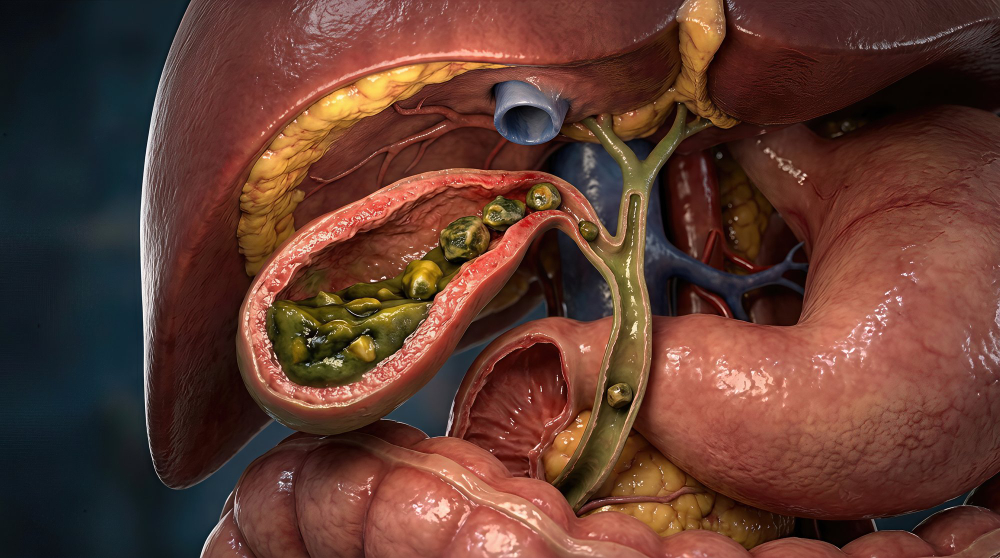
What Are Gallstones?
Gallstones are small, hard pieces that form inside the gallbladder. The gallbladder is a small organ under your liver. It stores bile, which helps your body digest fat. Sometimes, bile can turn into stones. These stones can be as small as a grain of sand or as large as a golf ball. Gallstones are common, and many people do not know they have them. However, gallstones can cause pain or other problems. In some cases, gallbladder removal surgery may be needed to treat these issues.
Common Symptoms of Gallstones
Many people with gallstones have no symptoms. Yet, some may notice signs when a stone blocks a bile duct. For example, you may feel pain in your upper right belly. This pain can last for several hours. Other gallstones symptoms include:
If you have these symptoms, you should see a doctor. Sometimes, gallstones can lead to serious problems, such as infection or swelling of the gallbladder.
Causes and Risk Factors
Gallstones form when the balance of substances in bile changes. For instance, too much cholesterol or bilirubin can cause stones. Several factors can raise your risk of getting gallstones. These include:
According to the CDC, gallstones are more common in some groups, such as women and older adults. Still, anyone can develop them.
How Gallstones Are Diagnosed
Doctors use several methods to find gallstones. First, they may ask about your symptoms and health history. Next, they might do a physical exam. Often, an ultrasound is used to see the gallbladder. This test is painless and uses sound waves to make pictures. In some cases, other tests may be needed, such as:
Early diagnosis helps prevent serious problems. Therefore, it is important to talk to your doctor if you have gallstones symptoms.
Treatment Options for Gallstones
Treatment for gallstones depends on your symptoms and health. If you have no symptoms, you may not need treatment. However, if you have pain or other issues, options include:
Most people with painful gallstones will need gallbladder removal surgery. This is the most common and effective treatment. The World Health Organization notes that surgery is safe and helps prevent future attacks.
When Is Gallbladder Removal Surgery Recommended?
Doctors may suggest gallbladder removal surgery when gallstones cause pain or other problems. For example, you may need surgery if you have:
Sometimes, surgery is urgent if there is infection or severe pain. If you wonder when to remove gallbladder, your doctor will help you decide based on your health and symptoms.
What to Expect From Gallbladder Removal Surgery
Gallbladder removal surgery is called cholecystectomy. Most often, doctors use a method called laparoscopic surgery. This means they make small cuts and use a camera to remove the gallbladder. Because of this, recovery is usually quick. You may go home the same day or after one night. Some people need open surgery, which uses a larger cut. This may be needed if there are complications or scar tissue. After surgery, you may feel sore for a few days. However, most people return to normal activities within a week.
Lifestyle Tips After Gallbladder Removal
After gallbladder removal, your body still digests food, but bile flows directly into your intestine. Because of this, you may notice some changes. To feel your best, try these tips:
Most people adjust well after surgery. However, if you have ongoing stomach upset or diarrhea, talk to your doctor.
Prevention of Gallstones
While not all gallstones can be prevented, you can lower your risk. For instance, you can:
According to the CDC, healthy habits can help prevent gallstones. Even so, some people may still develop them due to genetics or other factors.