
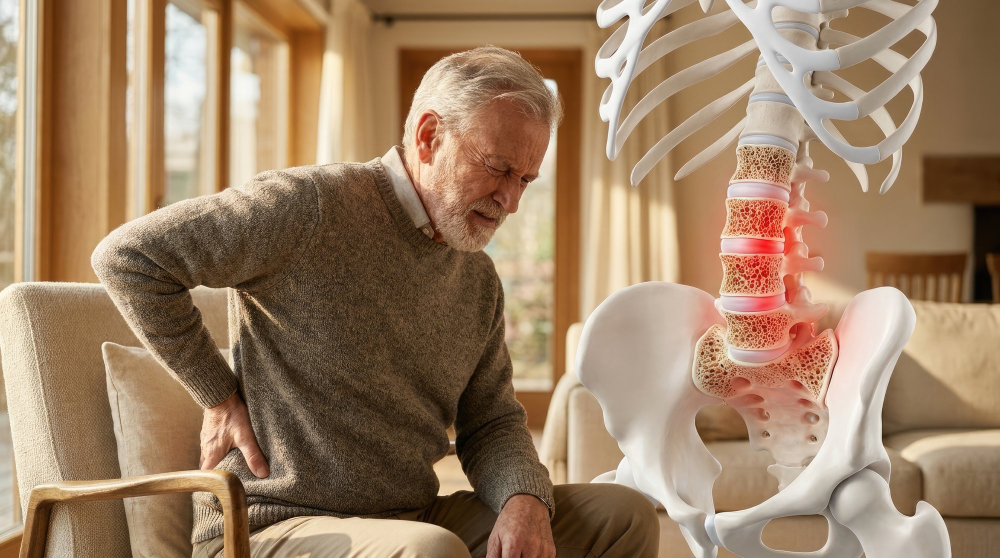
What Is Osteoporosis?
Osteoporosis is a health condition that makes bones weak and easy to break. Many people do not know they have osteoporosis until they break a bone. In fact, the word “osteoporosis” means “porous bone.” Because bones lose strength, even a small fall can cause a fracture. According to the World Health Organization (WHO), osteoporosis is common, especially in older adults. For this reason, learning about osteoporosis causes is important for everyone.
How Bones Become Weak: The Science Behind Osteoporosis
Normally, your body builds new bone and removes old bone all the time. However, as you age, this balance can change. For example, after age 30, bone loss can happen faster than bone growth. As a result, bones become thinner and weaker. The Centers for Disease Control and Prevention (CDC) note that low bone mass is a main reason for bone weakness. Because bones are living tissue, they need minerals like calcium and vitamin D to stay strong. Without these, bones lose their strength over time.
Key Causes of Osteoporosis
Several factors can lead to osteoporosis. While some causes are out of your control, others can be managed. Here are some main bone weakness reasons:
Because these osteoporosis causes can add up, it is important to know your own risk factors for osteoporosis.
Who Is at Risk for Osteoporosis?
Anyone can get osteoporosis, but some people have a higher risk. For example, women are more likely than men to develop it. In addition, older adults face greater risk as bones lose strength with age. Other risk factors for osteoporosis include:
Because these risks can combine, it is wise to talk to your doctor if you have any concerns.
Recognizing the Early Signs of Bone Weakness
Often, osteoporosis has no symptoms at first. However, some early signs may appear as bones get weaker. For example, you might notice:
Because these signs can be subtle, it is important to watch for changes and seek medical advice if needed.
Diagnosis: How Osteoporosis Is Identified
Doctors use special tests to check bone strength. The most common test is called a bone density scan, or DEXA scan. This scan measures how much mineral is in your bones. If your bone density is low, you may have osteoporosis or be at risk. According to the CDC, early testing helps prevent serious fractures. In some cases, blood tests may also be used to check for causes of bone weakness.
Prevention Tips for Stronger Bones
Although osteoporosis cannot always be prevented, you can take steps to keep your bones strong. For example, try these tips:
Because prevention is easier than treatment, these steps can help reduce your risk of bone weakness.
Lifestyle Changes to Reduce Osteoporosis Risk
Making healthy choices every day can lower your risk for osteoporosis. For instance, you can:
Because small changes add up, starting healthy habits early can make a big difference in bone health over time. Consult Dr. NAVEEN KUMAR REDDY J for early care for osteoporosis.