High blood pressure can be dangerous during or after delivery. Knowing the signs and symptoms of high blood pressure during or after delivery is important for every new mother. Early detection helps prevent serious health problems. In fact, high blood pressure after childbirth, also called postpartum hypertension, can develop even if you had normal blood pressure during pregnancy. Therefore, it is vital to watch for preeclampsia warning signs and other symptoms after giving birth.
What is High Blood Pressure During or After Delivery?
High blood pressure means the force of blood against your artery walls is too high. During pregnancy, this can lead to a condition called preeclampsia. After delivery, some women may develop high blood pressure for the first time. This is known as postpartum hypertension. Both conditions can be serious. They may cause problems for your heart, kidneys, or other organs. Because of this, it is important to know what to look for.
Common Signs and Symptoms
Sometimes, high blood pressure does not cause any symptoms. However, there are warning signs you should not ignore. If you notice any of these, contact your doctor right away:
Additionally, some women may feel chest pain or notice a fast heartbeat. These are also signs of high blood pressure after childbirth.
When to Seek Medical Help
If you notice any signs and symptoms of high blood pressure during or after delivery, seek help right away. For example, if you have a severe headache, vision changes, or chest pain, call your doctor or go to the emergency room. Quick action can prevent serious problems like stroke or organ damage. Even if your symptoms seem mild, it is better to be safe and get checked.
Diagnosis and Monitoring
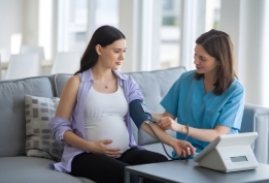
Your doctor will check your blood pressure with a simple cuff. Sometimes, they may order blood or urine tests to check for organ problems. In some cases, you may need to monitor your blood pressure at home. Regular check-ups are important, especially in the weeks after delivery. This helps catch postpartum hypertension symptoms early.
Prevention and Lifestyle Tips
While you cannot always prevent high blood pressure, you can lower your risk. Here are some helpful tips:
Moreover, avoid smoking and limit alcohol. These steps support your overall health after delivery.
Conclusion
In summary, knowing the signs and symptoms of high blood pressure during or after delivery can save lives. Watch for headaches, vision changes, swelling, and other warning signs. Consult a healthcare specialist Dr. NAVEEN KUMAR REDDY J if you notice any signs or symptoms of high blood pressure during or after delivery.